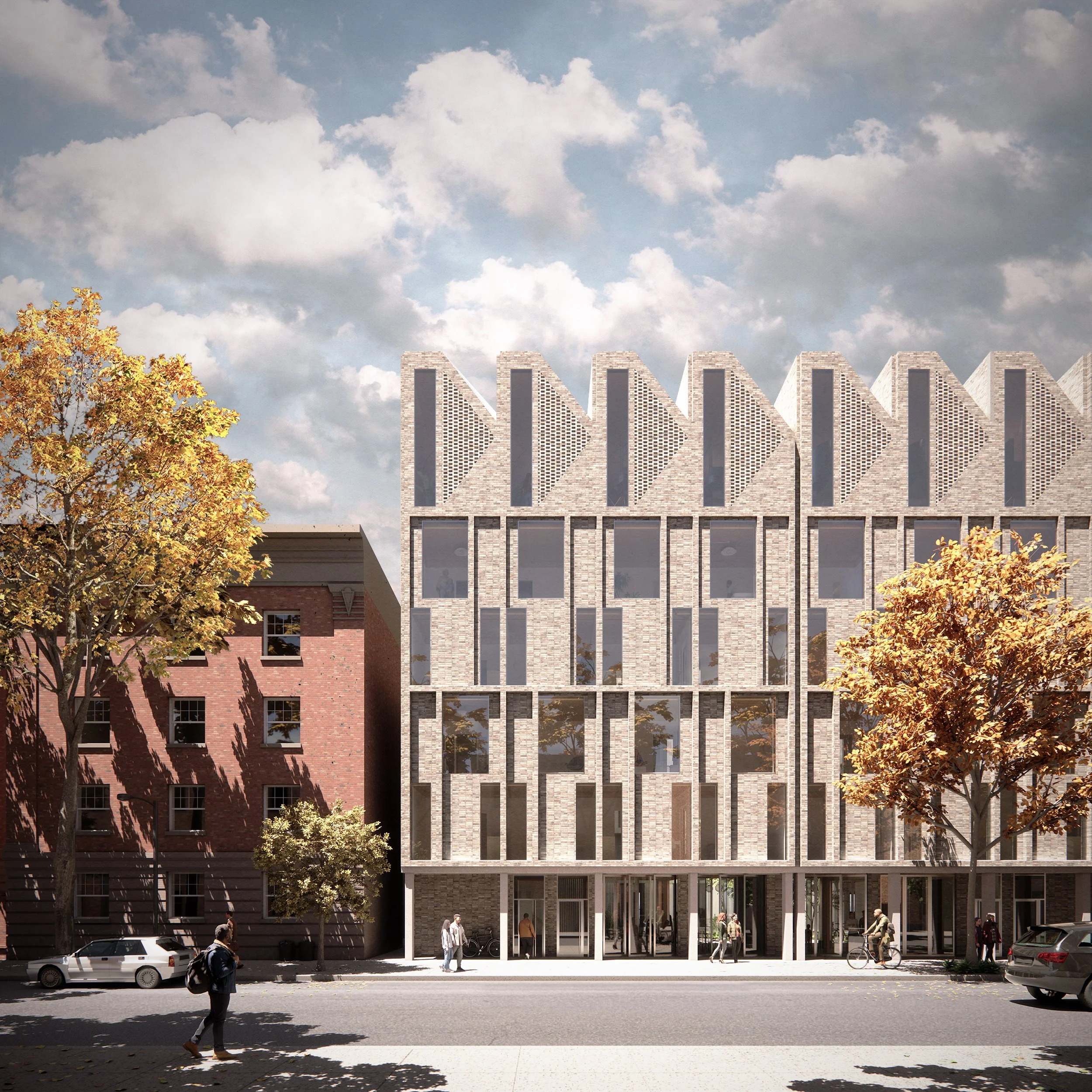
Better Together reinvents a century-old housing type for twenty-first century living.
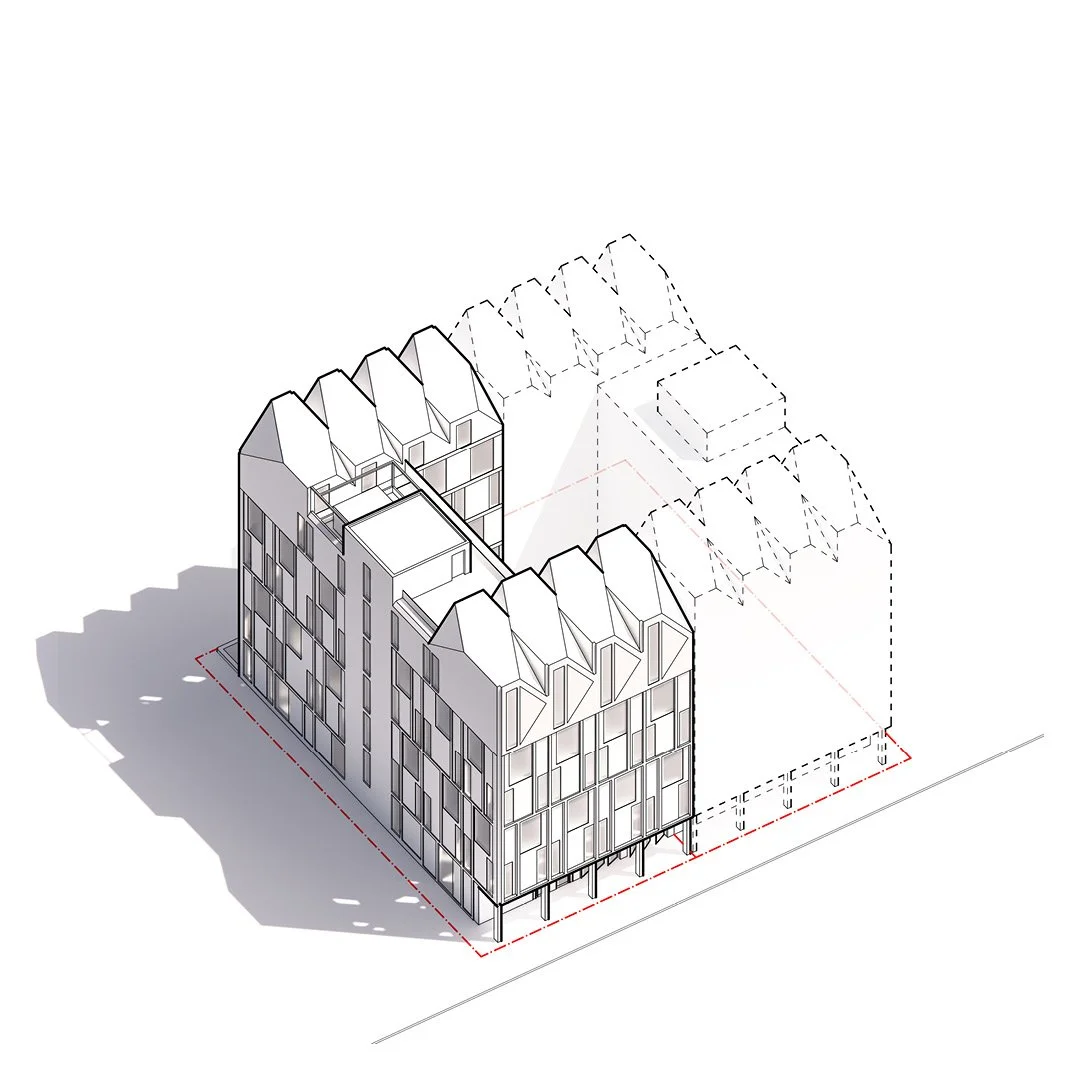
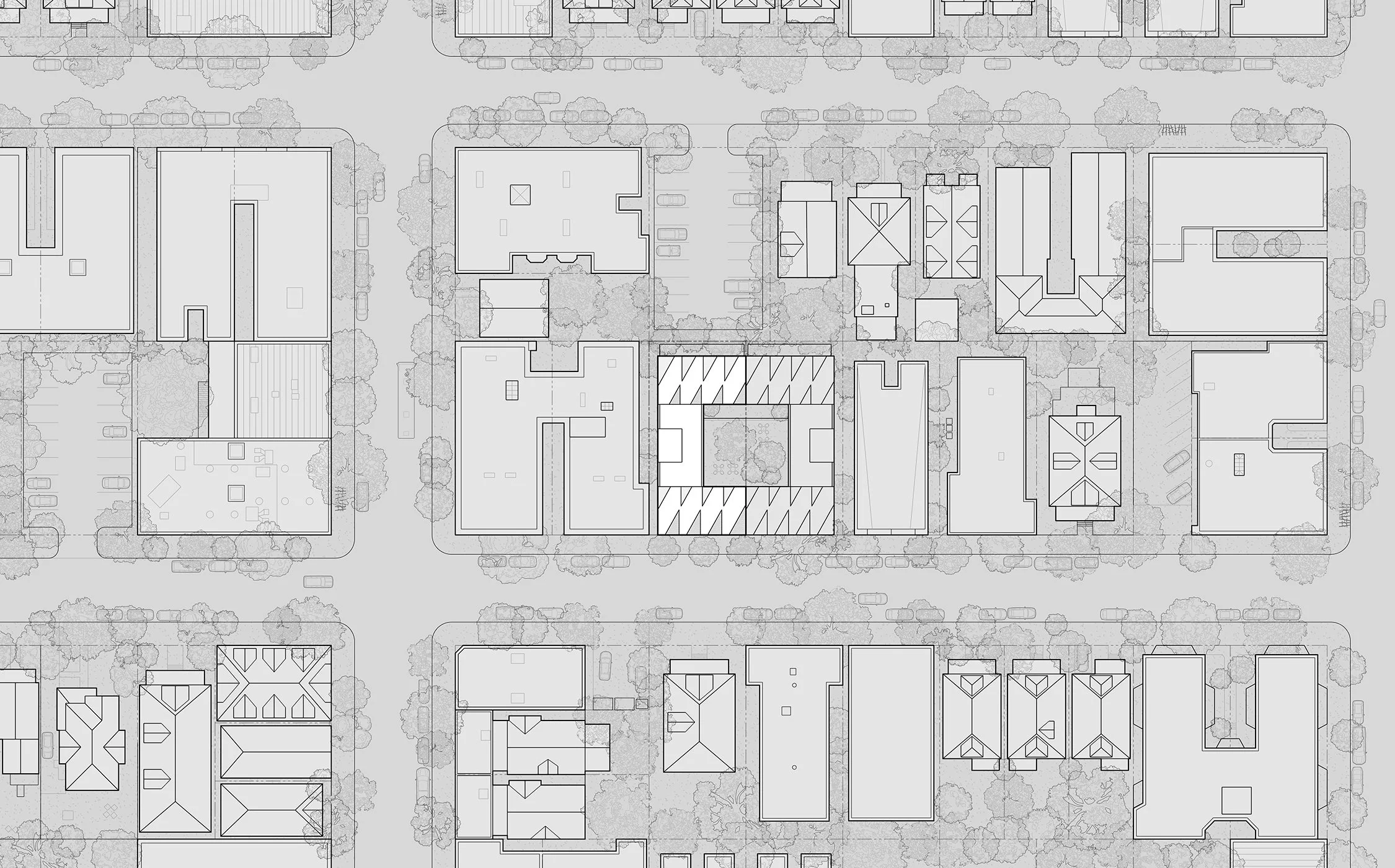
Common across American cities, half-court apartment buildings made the most of a narrow lot by relying on a neighboring building to make a half courtyard whole. These buildings were quite literally better together. Today’s calls for “single-stair” building codes could open up similar possibilities.
Better Together’s slim, sunlit section, its generous shared courtyard, and its flexible unit layouts all make the most of proposed single-stair code revisions, while arguing that the single stair’s greatest opportunities come in pairs.
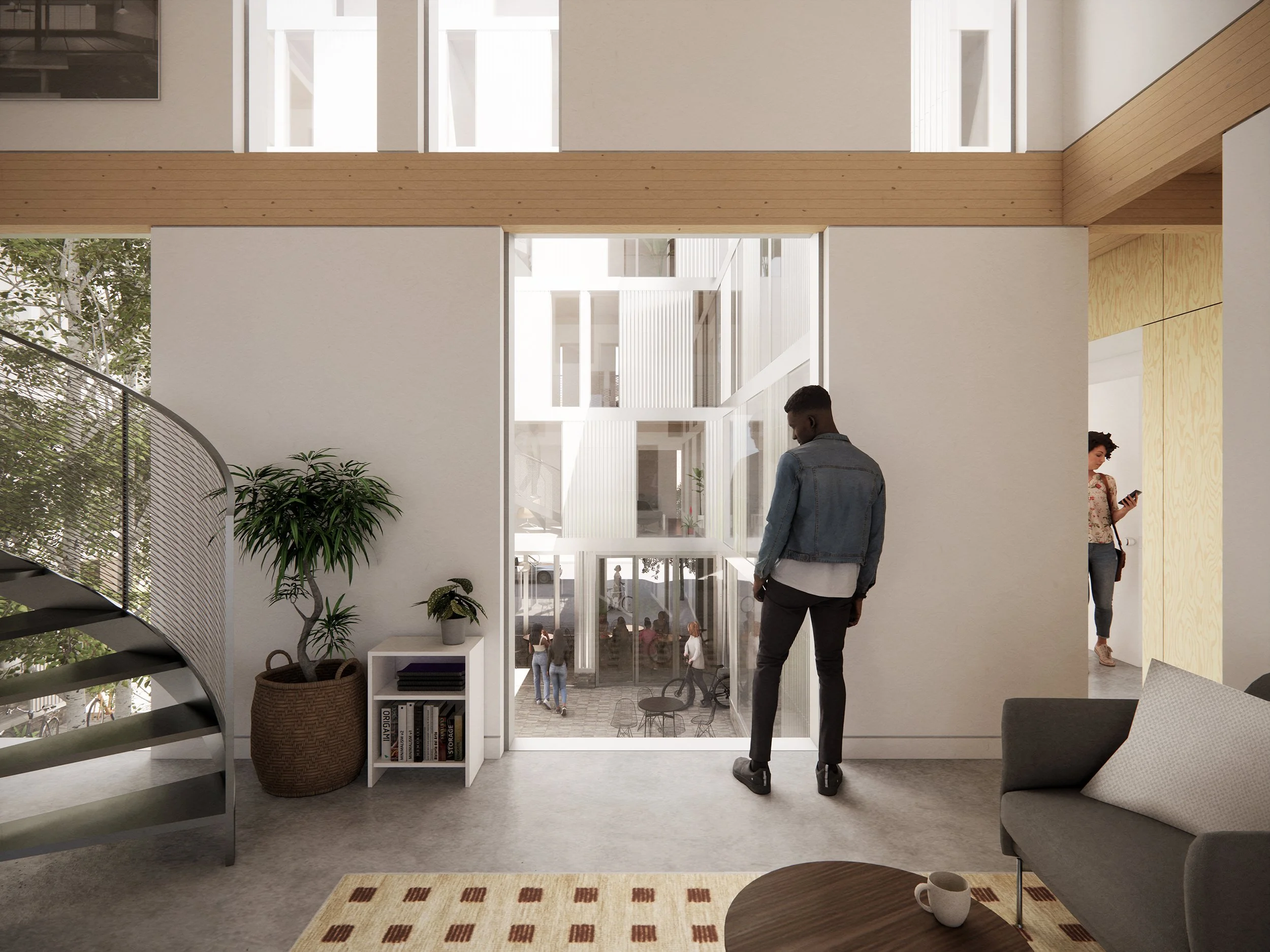
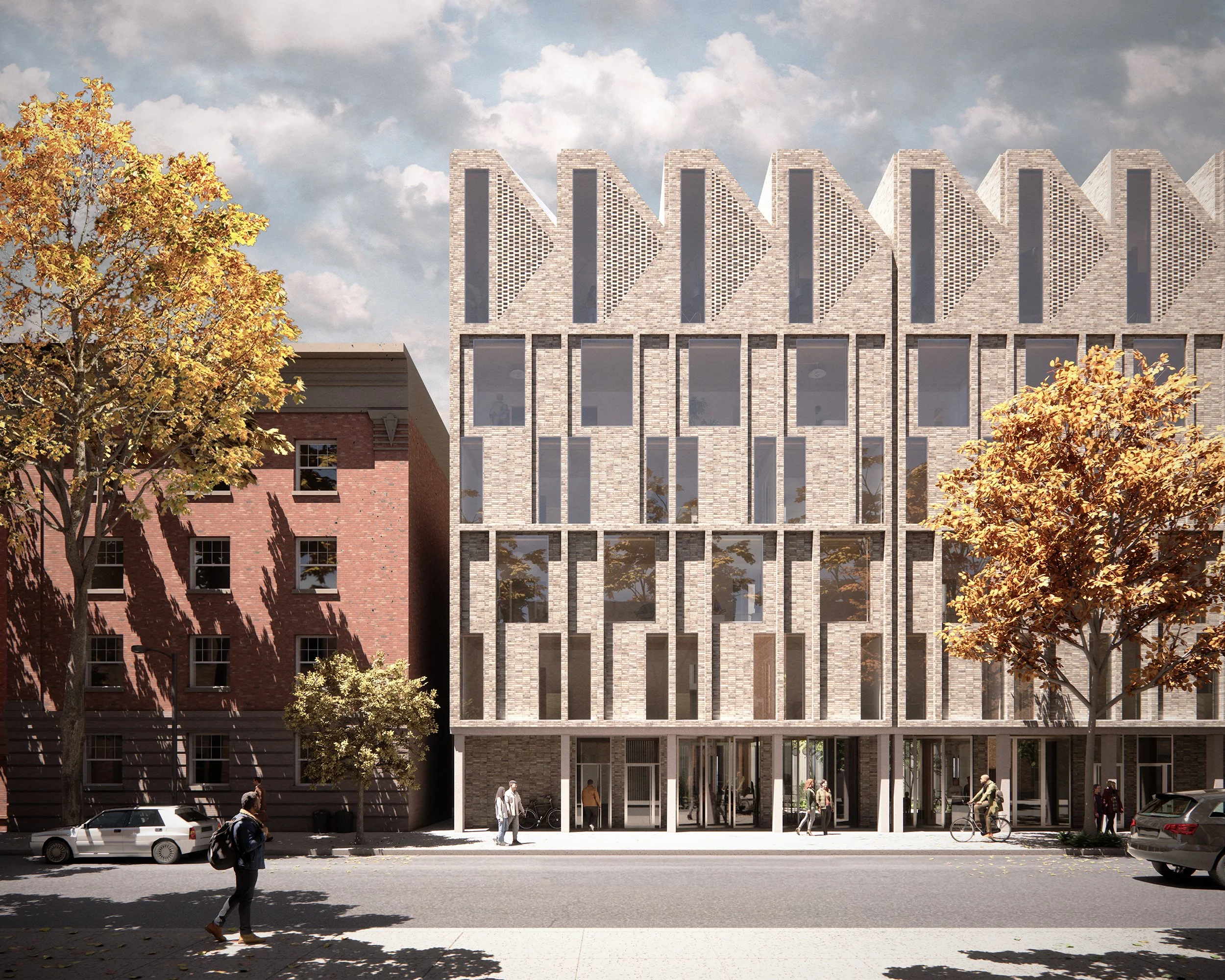
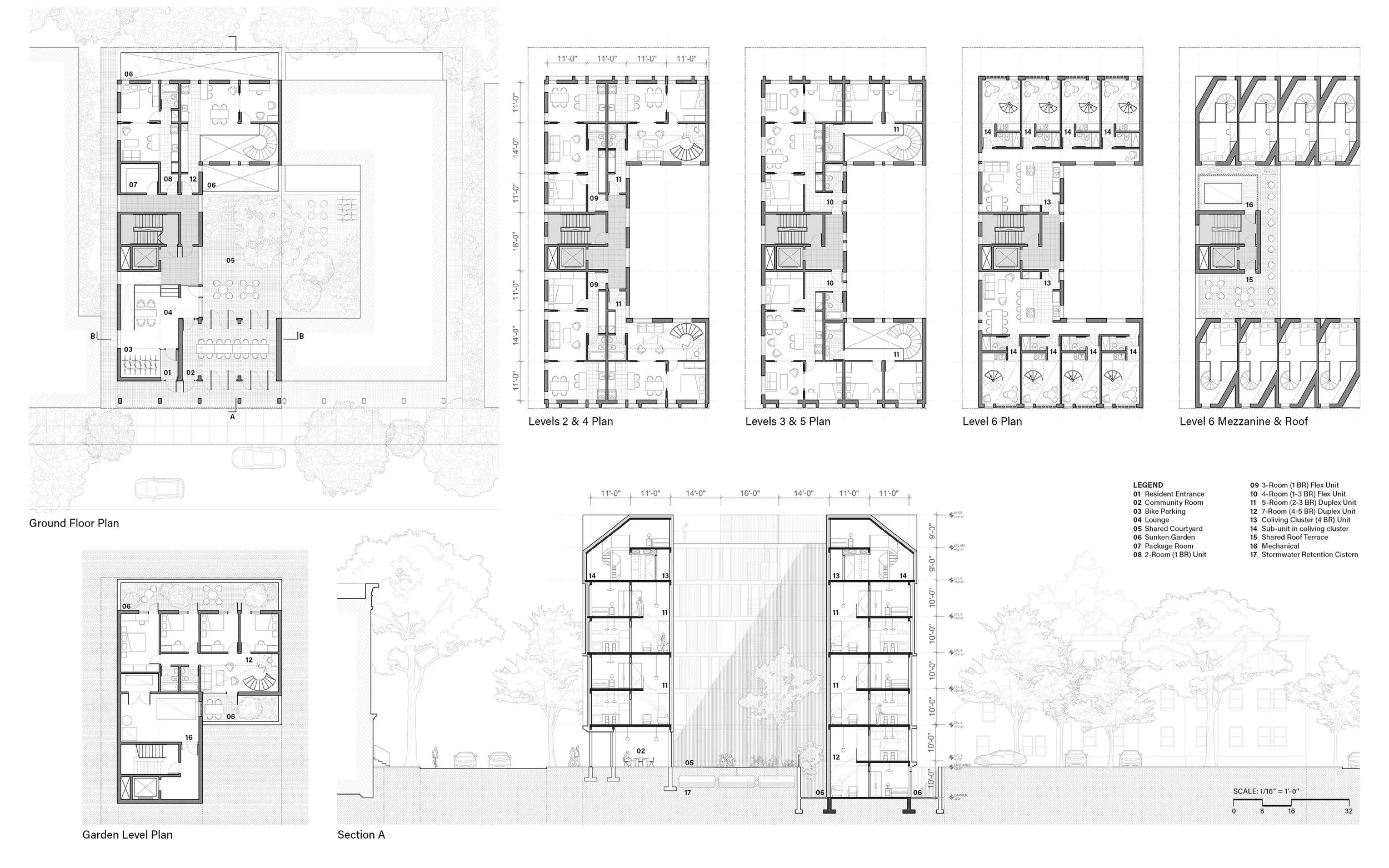
Planned to an 11-foot structural grid, the building is fine-tuned for economical mass timber construction. Within, diverse unit types take advantage of double exposures and uninterrupted floorplates to cater to contemporary households, from multigenerational families to cohabiting singles.
Common Courtyard
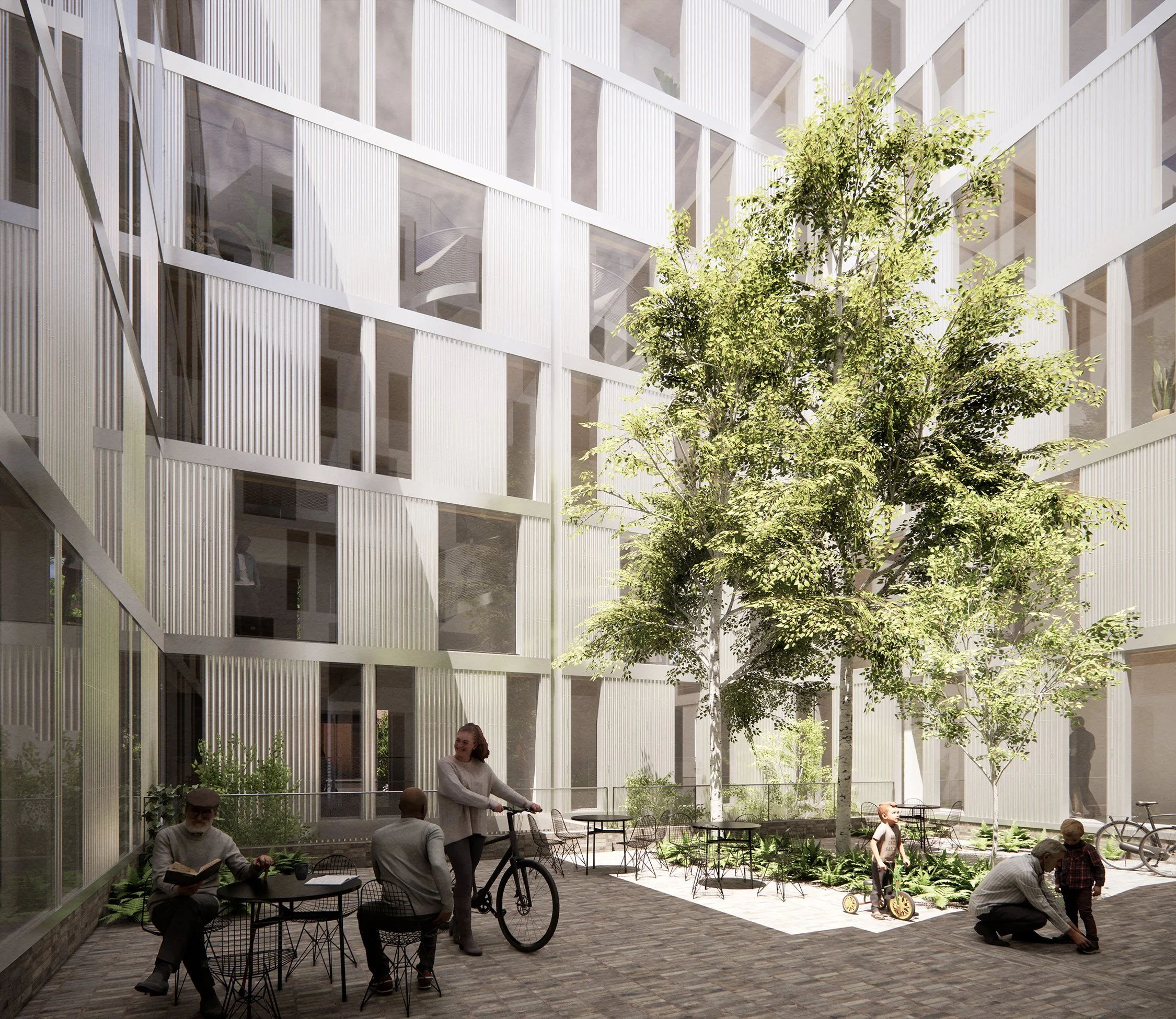
At the building’s center is a twenty-by-forty-foot courtyard that will become a forty-foot square when completed by its neighbor. Large enough for midday sun to reach the ground, the court is furnished with pervious pavers, retention cisterns, and rain gardens, sized to manage the ever-more-frequent flood events of a warming world.
Space for Community
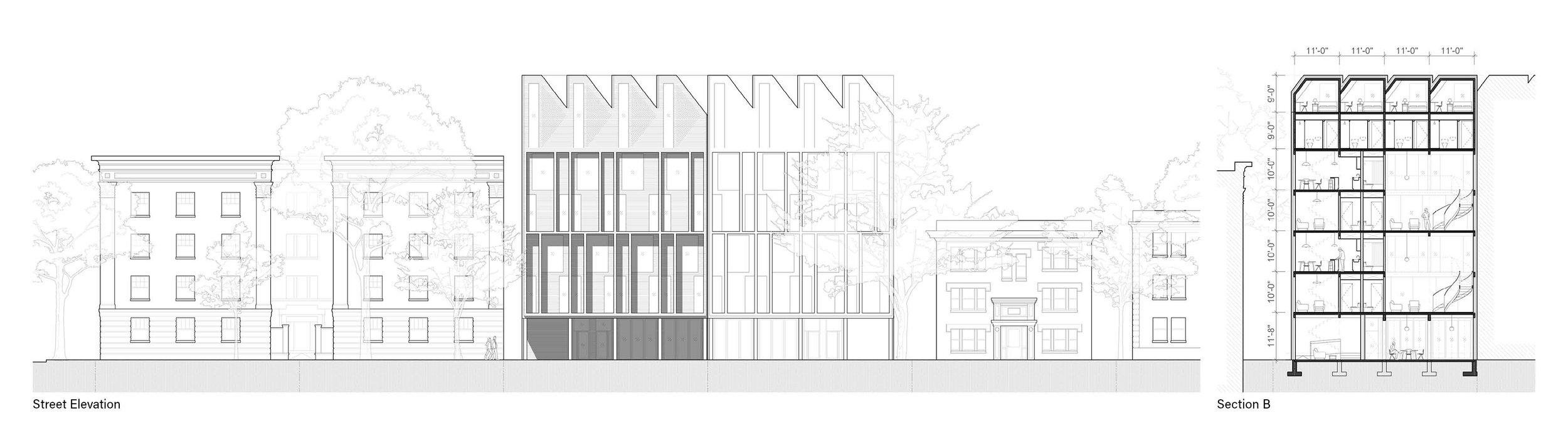
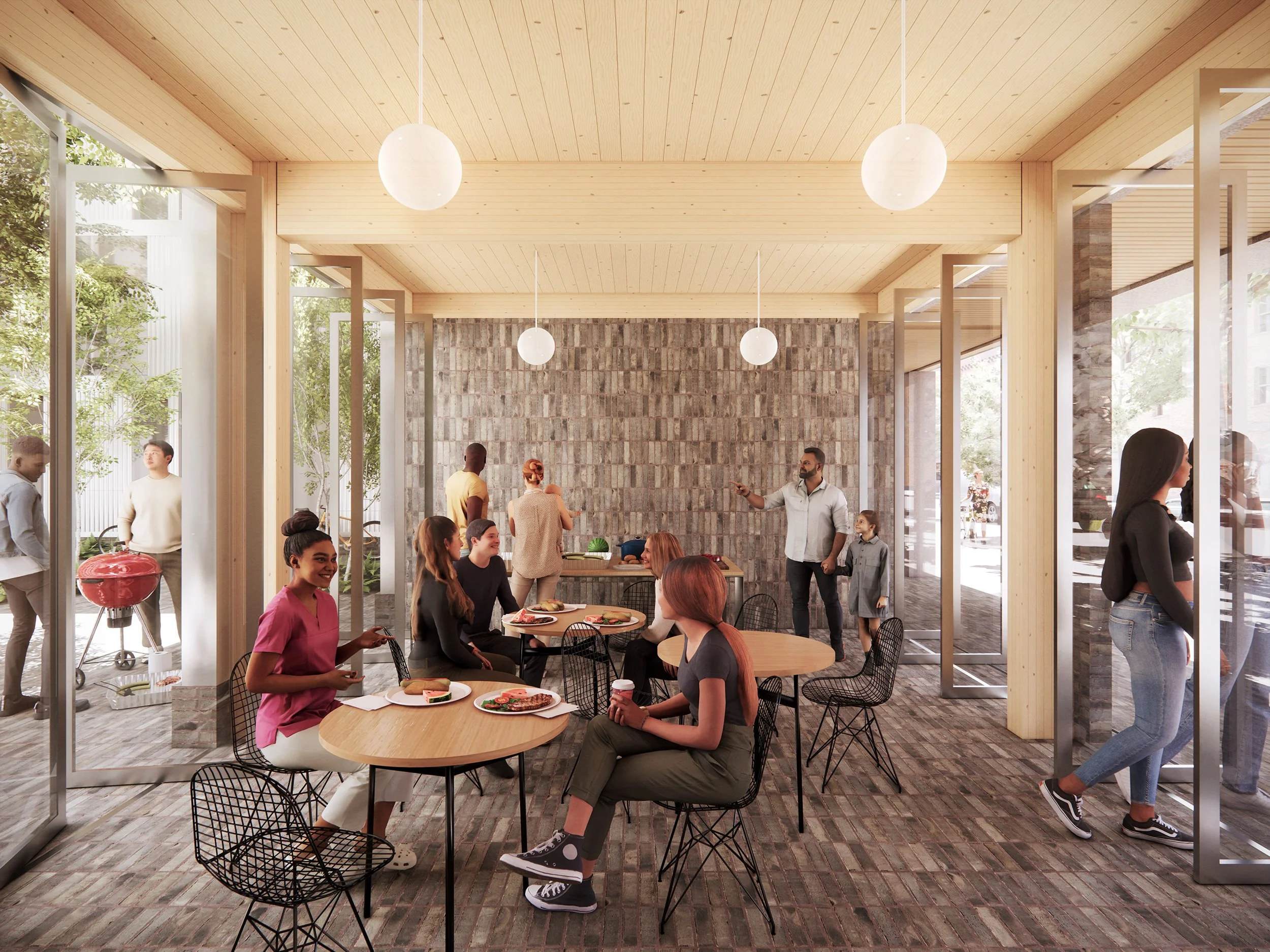
Between the courtyard and the street, a shared indoor/outdoor room offers a flexible event space for residents and the community. It can be thrown open on both sides to allow pop-ups, block parties, or workshops to filter into the courtyard. Not quite a conventional storefront, such a space offers both a community resource and economic opportunities to would-be small business owners.
Flexibility with Diversity
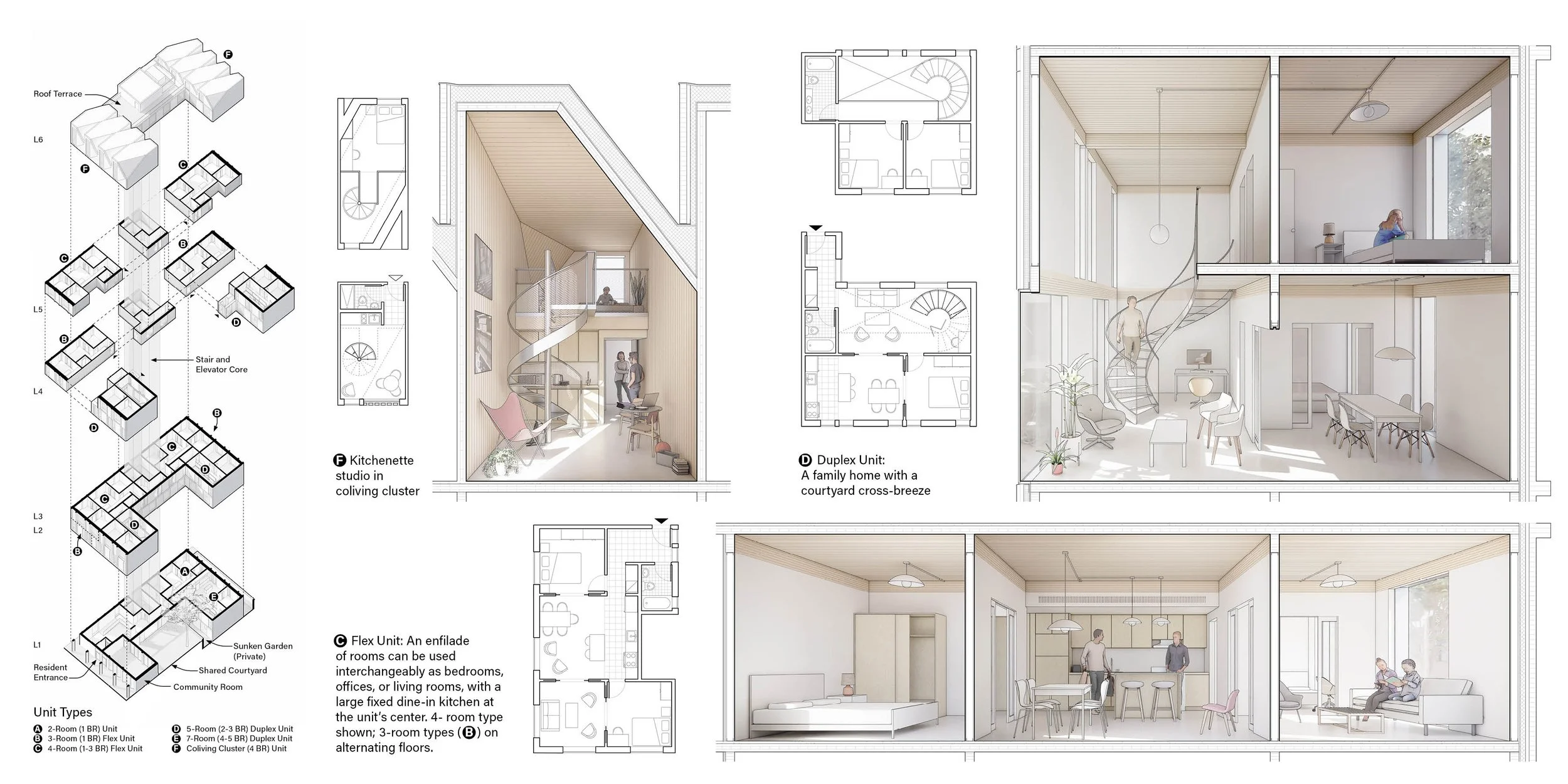
Diverse unit types take advantage of the unique spatial characteristics of a single-stair plan. A two-room-deep hallwayless section allows for spatial flexibility, cross-ventilation, and multiple sunlit exposures—qualities difficult to come by in contemporary housing.
One-to-three bedroom “flex units” are laid out to adapt to the changing needs of residents who might sublet a bedroom, gain a family member, or require dedicated work spaces. Three-bed duplexes are practically small houses for large or multigenerational families, fulfilling a missing niche in today’s rental market.
At the top floor, two co-living “cluster” units stretch the limits of the single-stair code’s max travel distance. Unit entries are directly adjacent to the stair, but within, four subleased studios each contain a bedroom, bathroom, sitting area, and kitchenette, while sharing a full kitchen and common room.